


【Art & Design English-24】How ancient art influenced modern art (古代藝術如何影響現代藝術)
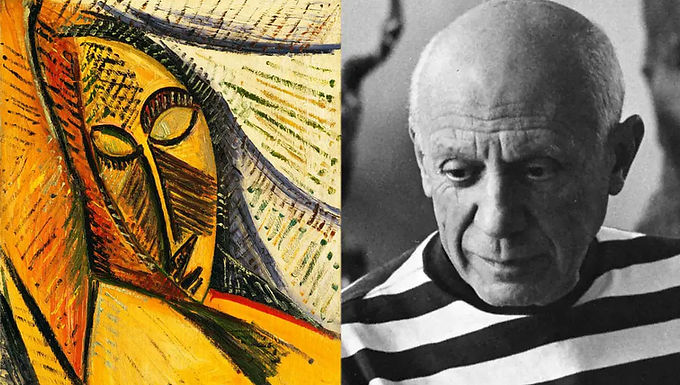
How ancient art influenced modern art The term modern art sounds like it means art that is popular at the moment, but in fact, modern art is a style that originated over 150 years ago, and includes artists that by now have attained classic status, such as Picasso, Matisse, and Gauguin. And what's even more ironic is that the movement they pioneered, considered revolutionary and even scandalous at the time, was inspired largely by an object of a traditional and ancient design. As far back as the Renaissance, the primary European art movements emphasized conventional representation and adherence to classical forms. But that began to change in the late 19th century as artists like Van Gogh and Cézanne expanded the boundaries of painting. Soon, a movement arose that sought to create an entirely new style of art, and one way of doing so was to look beyond Western civilization. For example, Paul Gauguin moved to the island of Tahiti in the 1890s. There, he found inspiration in the island's inhabitants, landscape, and culture to create artwork that intertwined European themes and Polynesian lore. Others looked at the cultures of the Islamic world, but the most influential inspiration would come from Sub-Saharan Africa. As European empires expanded deeper into the African continent, its artifacts and artworks made their way into the hands of museums and collectors. One such collector was Henri Matisse, who showed his friend Picasso a mask he had acquired made by the Dan tribe of the Ivory Coast. The mask awoke Picasso's curiosity, leading him to visit the Trocadéro Ethnographic Museum in Paris in 1907. Founded to house acquisitions from colonial conquests, the museum boasted a collection of African art, with stylized figures and masks made of wood and decorated with simple colors and materials. The visit was a revelation for Picasso, who proclaimed that African masks were what painting was all about. At this time, Picasso had been working on a painting of five nude women in a style that would later come to be known as Cubism. While three of these ladies show facial features found in ancient Iberian art, a nod to Picasso's Spanish heritage, the faces of the two on the right closely resemble African masks. Created in 1907 after hundreds of sketches and studies, "Les Demoiselles d'Avignon" has been considered the first truly 20th-century masterpiece, breaking with many previously held notions in art. It was at once aggressive and abstract, distorted yet primal in its raw geometry, a new artistic language with new forms, colors, and meanings. These avant-garde qualities caused a sensation when the painting was first exhibited almost ten years later. The public was shocked, critics denounced it as immoral, and even Picasso's own friends were simultaneously surprised, offended, and mesmerized by his audacity. More artists soon followed in Picasso's footsteps. Constantin Brâncuși and Amedeo Modigliani in Paris, as well as the German Expressionists, all drew on the aesthetics of African sculptures in their work. Others looked to a different continent for their inspiration. British sculptor Henry Moore based many of his semi-abstract bronze sculptures on a replica of a Chacmool, a distinctive reclining statue from the Toltec-Maya culture. Pre-Columbian art was also a major influence for Josef Albers. He created a series of compositions, such as the geometrical series Homage to the Square, that were inspired by pyramids and local art he encountered on his frequent visits to Mexico. Inspiration from ancient cultures initiated one of the most revolutionary movements in art history, but were these artists playing the role of explorers or conquistadors, appropriating ideas and profiting from cultures they considered primitive? Questions like this deserve scrutiny, as artists continue to redefine standards. Perhaps not too long from now, the bold innovations of modern art will seem like stale orthodoxies, ready to be overturned by a new set of radical trailblazers drawing inspiration from another unlikely source. References (optional) Ancient art has profoundly influenced modern art, serving as a foundation for artistic education, inspiration for new movements, and a source of recurring themes and styles , with artists like Picasso and Rodin drawing inspiration from classical antiquity. Here's a more detailed look at the influence of ancient art on modern art:
1. Foundation and Inspiration: Classical Ideals: Renaissance artists sought to revive the realism and anatomical accuracy of classical antiquity, while Neoclassicists in the 18th and 19th centuries drew heavily on both classical and Renaissance art. Recurring Themes: The culture and myths of ancient Greece and Rome have been recurring themes in Western art, with artists reimagining these themes in a modern context. Modern Artists' Reinterpretation: Modern artists like Picasso, Giacometti, and Rodin, who revolutionized the artistic landscape, were deeply inspired by ancient and classical art. Reinterpreting the Classical: Artists have reimagined classical Greek statues, juxtaposing their serene beauty with modern materials or disruptive contexts to comment on mortality and the commercialization of beauty.
2. Specific Examples: Neoclassicism: This movement, which emerged in the 18th and 19th centuries, sought to emulate the style and themes of ancient Greek and Roman art, emphasizing order, balance, and clarity. Renaissance: Renaissance artists, such as Botticelli, Michelangelo, and Caravaggio, drew inspiration from classical art, particularly in their depictions of human figures and their pursuit of realism. Modern Sculptors: Modern sculptors like Henry Moore and Josef Albers looked at pre-Columbian cultures for inspiration, especially the unusual sculptures of the Maya-Toltec culture. Abstract Art: Abstract artists like Brancusi, Miro, and Picasso began re-exploring the simplified forms commonly found in prehistoric artwork. Links 【Art & Design English- 02】What is Art For? Discussion Questions (Art) How great is your interest in art? What’s the best art gallery you’ve been to? Do you like modern art? What do you think of installation art? Do you ever think a lot of art is not really art? Do you have a favorite artist? What kind of art do you like – paintings, sculpture, ceramics, etc.? What is art? Does art change the way you think or feel? Do you think anyone can be an artist or do you need a special talent? Do you think all children should study art at school? Do you think children should learn the history of art? Do you think a painting can really be worth a million (or more) dollars? Do you think today’s artists are as good as those from hundreds of years ago? What was the last painting/poster/piece of art you bought? Why did you buy it? Describe the pieces of artwork in your house. What kind of art is your country famous for? What kind of life do you think an artist’s is? Do you have any artistic talents? How would the world be different without artists? Discussion Questions (Design) How would you define design? How do you know if something is designed well? Do you think design is important? Why? Have you ever designed anything? What are some well-designed products? What are some poorly designed products? Are there any designers you admire? Have you done any interior design in your home? What are some examples of good design that you appreciate? Why? How does design influence our daily experiences and interactions with products and environments? Can you think of any iconic designs or designers that have made a significant impact on society? What are some key principles or elements of design? How does cultural and historical context influence design aesthetics? Can you describe a design project or process that you have been involved in or observed? How does user experience (UX) design contribute to the functionality and usability of products and services? What role does sustainability play in design? Share examples of environmentally conscious design practices. How can design be used to solve social and humanitarian challenges? What are some current trends in design that you find interesting? How does technology influence the field of design? Discuss the impact of digital tools and software. Can you think of any examples of design that have sparked controversy or provoked discussions? How can design be inclusive and accessible to people with diverse abilities and backgrounds? Can you share any examples of designs that evoke specific emotions or create a particular atmosphere? How does design differ across various disciplines, such as graphic design, industrial design, or interior design? What are some ethical considerations in design? Discuss the responsibility of designers towards users and society. Can you think of any design failures or instances where poor design affected the user experience? What lessons can be learned from them? How can design thinking be applied beyond traditional design fields to problem-solving and innovation? What skills and qualities do you think are essential for a successful career in design? How has technology influenced the field of graphic design in recent years? Can you think of any examples of design that successfully blend form and function? Explain why they are effective. How does cultural diversity influence design aesthetics and the portrayal of different cultures in design? What are some key considerations in designing user interfaces for mobile applications? Can you describe a design project that aims to address sustainability or environmental issues? How does typography contribute to the overall design and message of printed materials? What are some effective ways to gather user feedback during the design process? How can color psychology be utilized in design to evoke specific emotions or convey certain messages? Can you think of any examples where design played a crucial role in shaping a company’s brand identity? What are the main differences between designing for print media and designing for digital media? How can design be used to improve accessibility for individuals with disabilities? Can you describe a design trend that you find intriguing? Why do you think it has gained popularity? How does packaging design influence consumer perception and purchasing decisions? What ethical considerations should designers keep in mind when creating advertisements or marketing materials? How has social media influenced the field of design and the way designers showcase their work? Can you think of any innovative design solutions that have improved people’s lives in developing countries? What are some challenges in designing for virtual reality (VR) or augmented reality (AR) experiences? How does design impact the gaming industry, particularly in terms of user interface and user experience? Can you describe a famous architectural design that has become an iconic landmark? What makes it significant? How do cultural symbols and icons influence design choices, especially in international contexts? Discussion Questions (Art Culture) How often do you go to art museums? Do you consider yourself to be artistic? What do you think about modern art paintings? How many forms of art can you name? What is your favorite form of art? Is graffiti art? Why or why not? What is the most famous statue in your country? Who is your favorite artist? Why do you like them so much? Do you think that art is important to society? Why? Have you ever tried drawing, painting, sculpting, or something else artistic? What is the most famous painting in your country? What is traditional art like in your culture? What country do you think is the most creative? Why is art so expensive? Do you think it should be more, or less, expensive? Do you have any artistic friends? What kinds of art do they create?
How ancient art influenced modern art The term modern art sounds like it means art that is popular at the moment, but in fact, modern art...